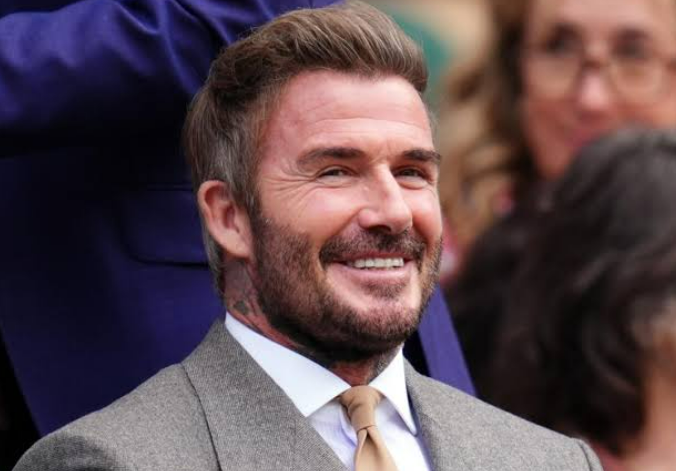
David Beckham’s commercial company is seeking at least $41 million in damages from beauty group Coty in a dispute over the distribution of Beckham-branded fragrances. The case is about more than where a bottle of perfume appears on a shop shelf. At its centre are questions about licensing agreements, retail strategy and how far a brand owner can go to protect the image attached to a globally recognised name.
The lawsuit was filed by DB Ventures in New York in April 2026. The dispute became widely publicised in November after court filings described Beckham-branded products allegedly appearing in discount retail outlets and a gas station bargain bin. Coty disputes the allegations and has asked the court to dismiss the case.

Why is David Beckham’s company seeking $41 million?
DB Ventures, which manages much of Beckham’s commercial brand activity, alleges that Coty breached the terms of its fragrance licensing agreement. According to the company’s court claims, Beckham-branded fragrances were distributed through channels that had not been properly approved or agreed upon.
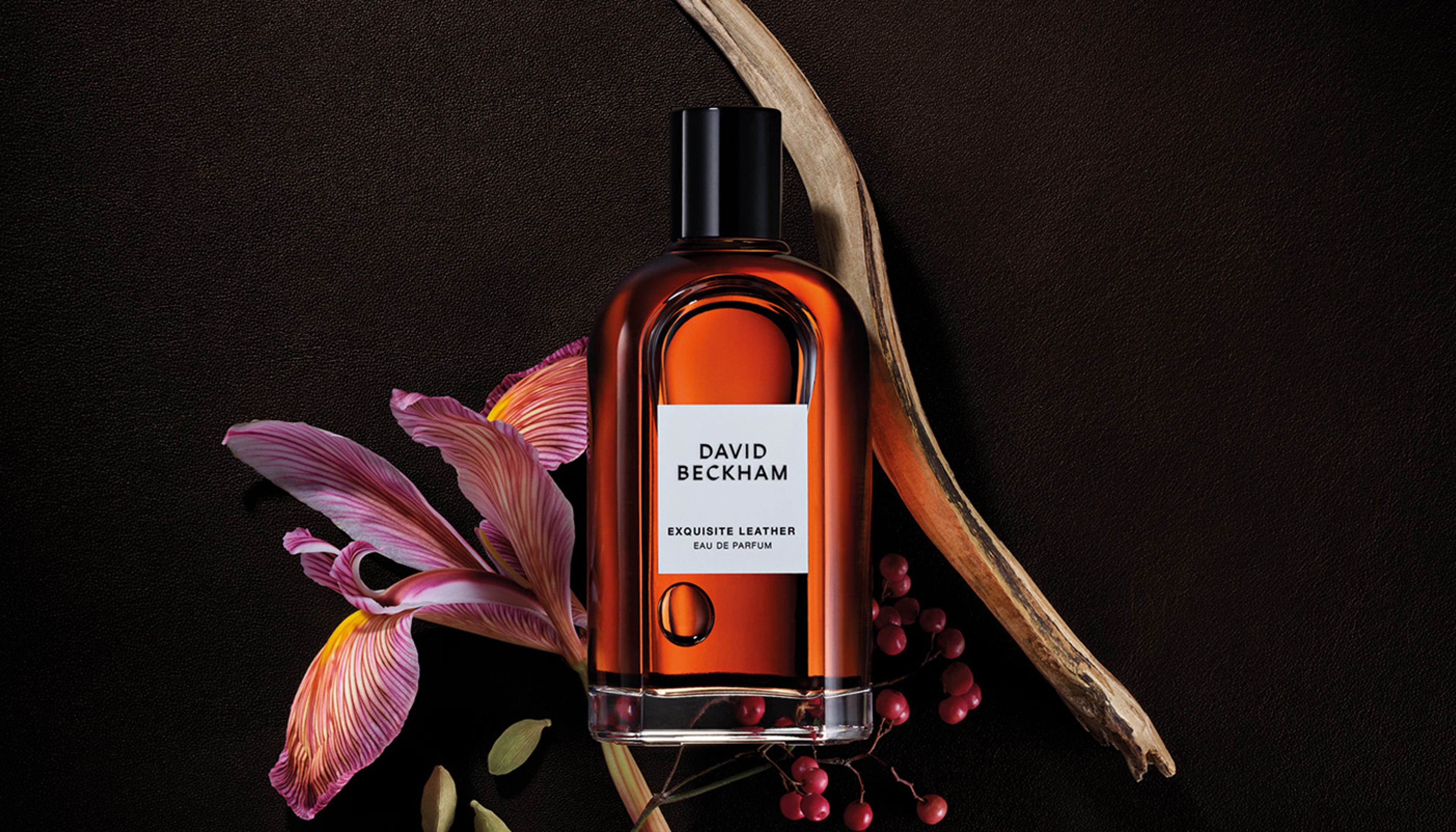
The products named in the dispute include fragrance lines such as Classic and Instinct, as well as Intimately and Exquisite Leather. DB Ventures argues that placing products in outlets associated with steep discounts could undermine the positioning it has worked to build around Beckham’s name.
The company is seeking at least $41 million in damages. Its allegations also include claims about sales reporting, royalty payments and advertising obligations. Those are claims made in legal filings, not findings that a court has established.
The disagreement over discount stores and gas stations
One of the most striking elements of the case is the alleged appearance of Beckham products at Poundland, a British discount retailer, and in a bargain bin at a gas station. DB Ventures says such placements were inconsistent with the brand’s intended image and could associate its products with clearance-level pricing.
For a celebrity-backed fragrance, the retail environment can be part of the product’s identity. Packaging, advertising, price positioning and the stores that carry a product all influence how consumers perceive its value. A brand owner may therefore see distribution decisions as an important part of protecting its reputation, not simply a logistical matter.
What does Coty say in response?
Coty has rejected DB Ventures’ claims and asked a New York judge to dismiss the lawsuit. The company argues, among other things, that New York is not the proper jurisdiction for the case. It also disputes the suggestion that the lawsuit reflects a straightforward failure to protect Beckham’s brand.
According to Coty’s position as reported in court coverage, the licensing agreement gives it discretion over aspects of distribution. Coty has also argued that DB Ventures is using the litigation to create a route to an early exit from the existing agreement and move the fragrance business to another company.
That leaves the court with competing interpretations of the contract: DB Ventures says the distributor failed to respect important brand-protection obligations, while Coty says the agreement gives it broader commercial discretion and that the claims lack merit. The allegations remain contested.
Why the licensing relationship matters
Coty has worked with Beckham’s fragrance brand for more than a decade. The partnership illustrates how celebrity licensing works: the public figure and brand owner provide the name, image and commercial identity, while a specialist company develops, manufactures and distributes products under agreed terms.
Such agreements commonly address product quality, marketing, royalties, sales reporting, territories and distribution channels. The precise wording matters. A contract may allow a licensee to sell through broad categories of retailers while reserving approval or consultation rights for certain channels or commercial decisions.
In this case, the legal dispute is partly about how those provisions should be interpreted and whether the alleged sales and other conduct crossed the line set by the agreement. The answer could have implications beyond one fragrance range, particularly for companies that license the names of athletes, entertainers and other public figures.
What happens next for Beckham’s fragrance business?
The dispute also comes as the future of the fragrance license is already changing. In January 2026, Interparfums announced an exclusive 20-year worldwide agreement for the creation, development, production and distribution of fragrances under the David Beckham brand. Interparfums said it expects to assume global responsibility from April 1, 2028, subject to the existing arrangement.
That planned transition gives the legal fight an additional commercial dimension. DB Ventures and Coty disagree over the current contract and the circumstances under which it may end, while a future partner has already been announced. The lawsuit could influence the timing and terms of that transition, although the outcome will depend on the court process and the relevant agreements.

What the case says about celebrity brand value
Celebrity businesses depend on more than recognition. A name can carry associations with quality, lifestyle and aspiration, and those associations can be central to the value of a licensing deal. At the same time, distributors need room to manage inventory, reach customers and respond to changing retail conditions.
The Beckham-Coty dispute highlights the tension between those interests. Brand owners want meaningful safeguards over how their names are used; licensees want enough flexibility to operate a commercial business. The contract is meant to balance those priorities, but disagreements can emerge when the parties interpret its boundaries differently.
For now, the $41 million figure is the amount DB Ventures is seeking, not a court-awarded payment. Coty is contesting the case, and the allegations have not been proven. The central questions are whether the distribution practices breached the agreement, whether any financial obligations were unmet and what remedies, if any, the court may grant.
Frequently asked questions
| Question | Answer |
|---|---|
| Who filed the lawsuit? | DB Ventures, the company managing much of David Beckham’s commercial brand, filed the claim against Coty. |
| How much money is being sought? | DB Ventures is seeking at least $41 million in damages. |
| What is the dispute about? | The company alleges that Beckham-branded fragrances were distributed through unsuitable or unapproved retail channels and that other licensing obligations were breached. |
| Has Coty admitted wrongdoing? | No. Coty disputes the allegations and has asked the court to dismiss the lawsuit. |
| Who is expected to handle Beckham fragrances in the future? | Interparfums announced a 20-year worldwide fragrance license, expected to take effect from April 1, 2028, subject to the existing agreement. |
Reader poll
Should celebrity brands have the final say over which retailers can sell products carrying their name?
- Yes. Brand owners should have strong control over distribution.
- No. Distributors need flexibility to reach different customers.
- Both sides should share approval rights under clear contract terms.
- It depends on the product’s price, positioning and target market.
Next Article
–Ariana Grande Earns Four 2027 Grammy Nominations as Music Comeback Draws Attention
–Macaulay Culkin Is Ready to Return for a New Home Alone Project
–Jennifer Lawrence and Josh Hutcherson Reunite After 11 Years: Is a Hunger Games Comeback Coming?
Leave a Reply